
GYB Guide: How to Host a Clothes Swap
By Megan Price
Clothes swaps are one of the most joyful, social and sustainable ways to refresh your wardrobe. They bring people together, reduce fashion waste and help keep good-quality clothing in circulation.
Whether you’re wondering how to organise a clothes swap, or what to do with leftover clothes, this guide walks you through everything you need to know from planning the event to making sure every garment continues its journey with purpose.
Why Clothes Swaps Matter
The brand's name pays homage to Haya's family's textile legacy, tracing back to 1949 when her grandparents opened a shop at No. 70 on Mochi Lane in Karachi, Pakistan. Drawing inspiration from this rich heritage, Seventy + Mochi was established to merge traditional craftsmanship with contemporary, sustainable fashion practices.
The UK has a serious clothing waste problem. According to WRAP, the UK generates around 1.45 million tonnes of used textiles each year, and nearly half of all unwanted clothes end up in household bins rather than being reused or recycled.
Charity shops do vital work, but they’re often overwhelmed. Only 10–30% of donated clothes are sold in UK charity shops, with the majority sold on in bulk to textile traders, often for export. This means well-intentioned donations don’t always result in local reuse.
Clothes swaps help change that. They extend the life of garments, reduce demand for new clothing, and create space for more thoughtful, circular ways of sharing what we already have.
How to Organise a Clothes Swap
Choose the Right Space
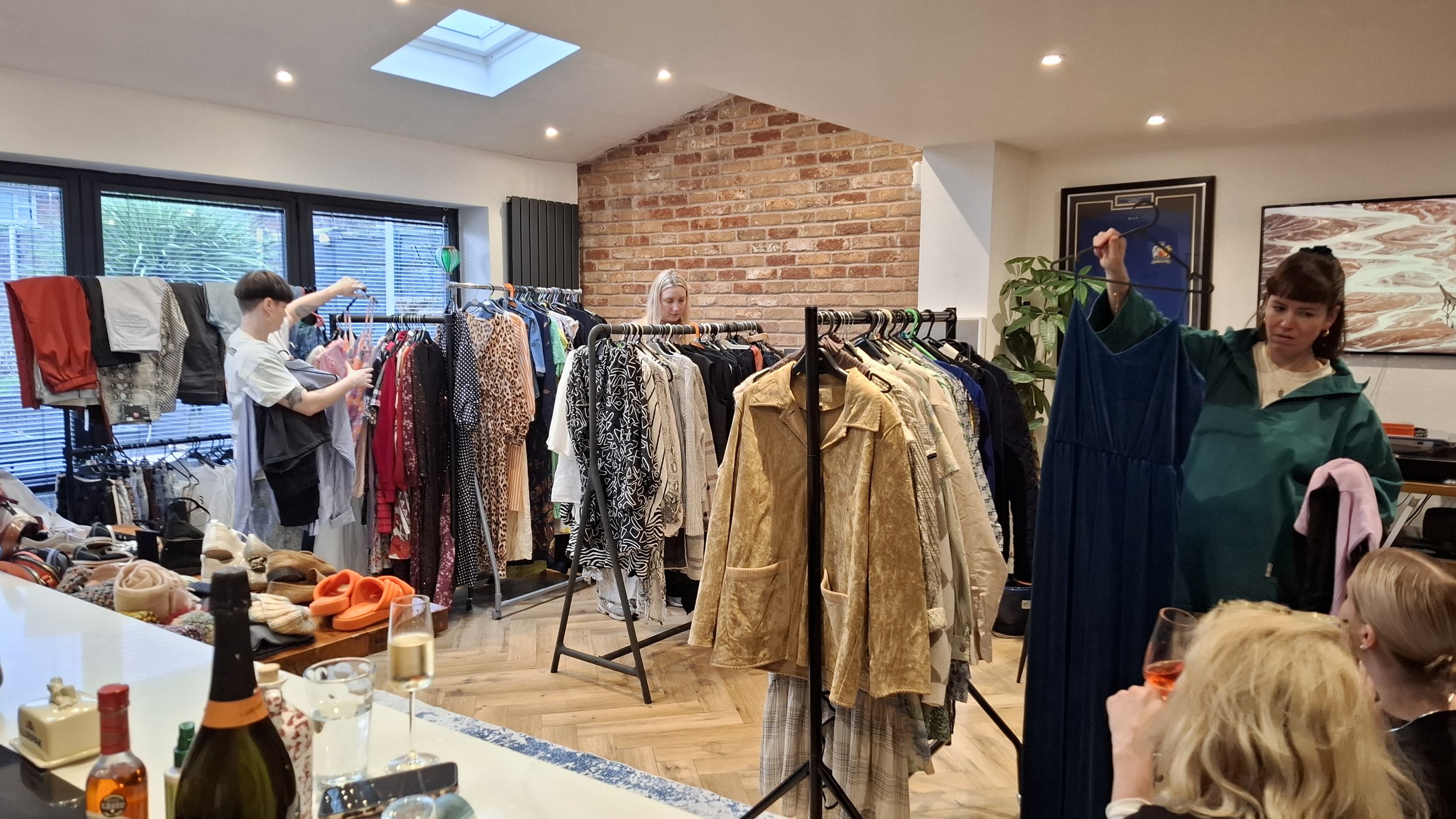
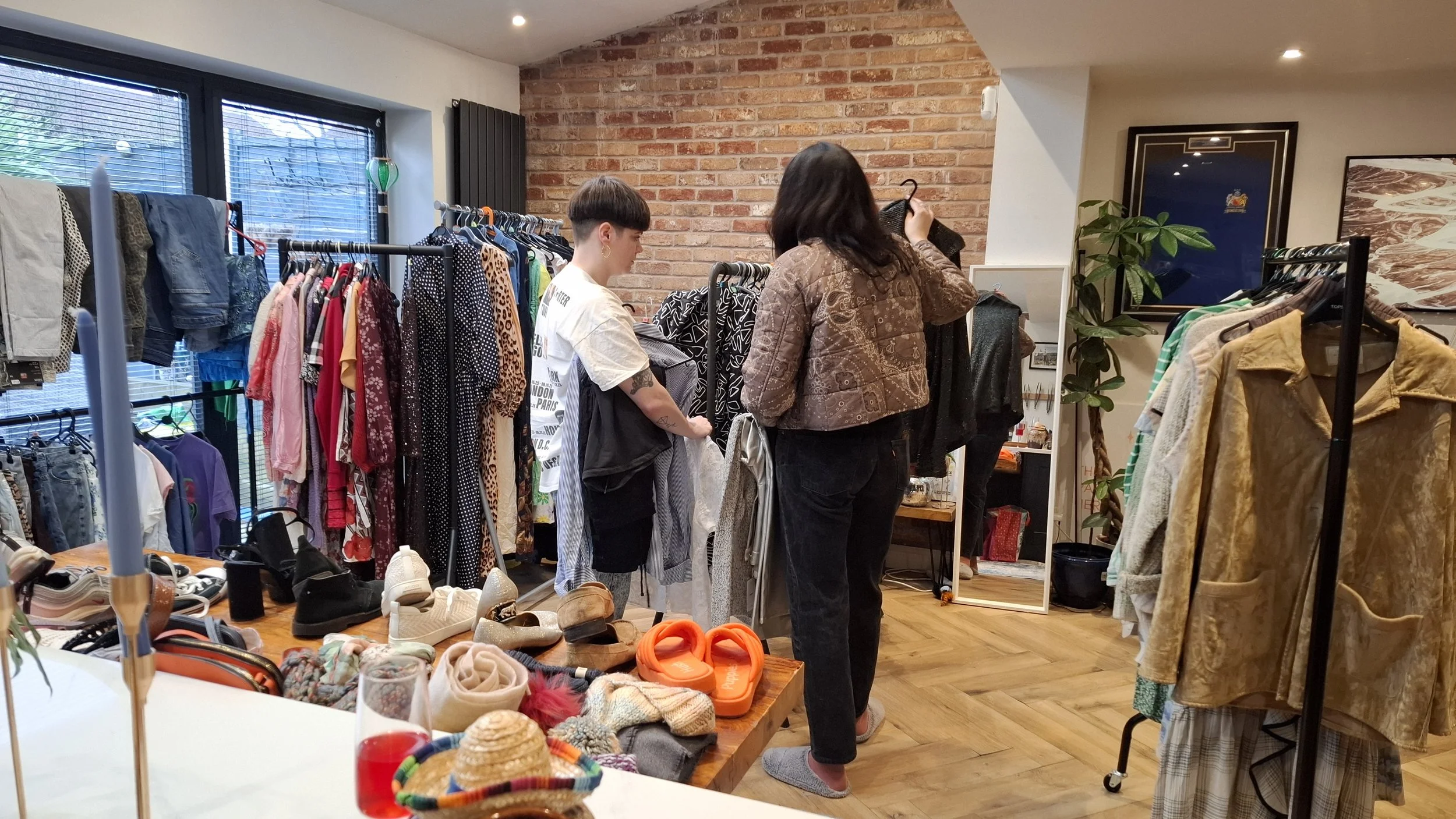
You don’t need a huge venue, but you do need enough room to browse comfortably. Living rooms, community halls, studios and offices all work well. Make sure there’s space for rails, tables, mirrors and a small social area.
Borrow what you can rather than buying new. Ask friends if they have spare clothing rails, mirrors or hangers. If you do need to buy items you’ll reuse for future events, check Gumtree or Facebook Marketplace first, second-hand is always best.
Ask Guests to Bring Clothes
on Hangers
Ask attendees to bring their clothes already on hangers where possible. This saves time, ensures you won’t run out of hangers on the day, and makes setup much smoother. Let people know they’re welcome to take their hangers home again if they wish.
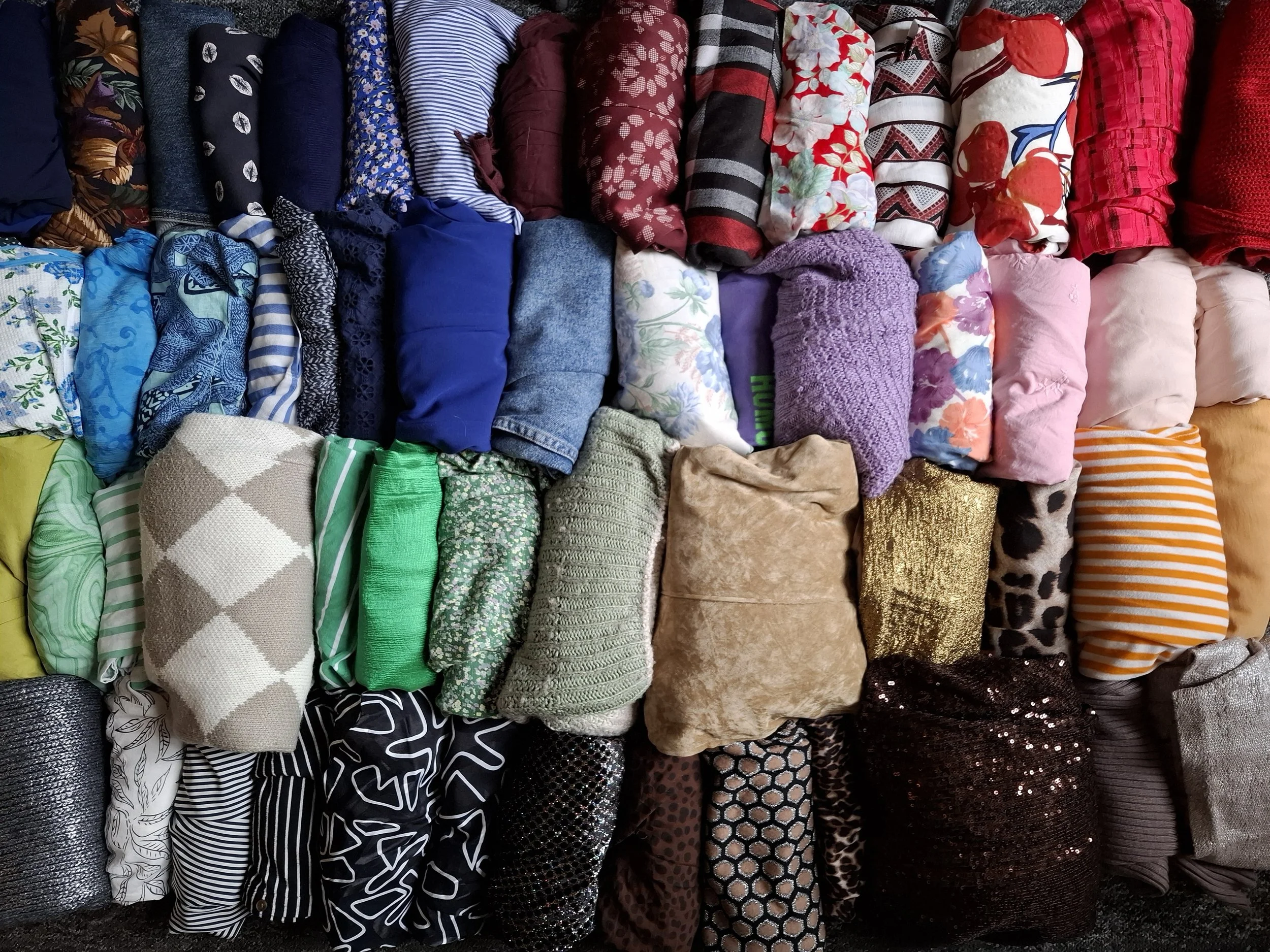
For heavier items like denim or knitwear, set aside flat surfaces where items can be folded neatly.
Mirrors and Changing Space Matter
Having enough full-length mirrors makes a huge difference to the experience. Borrow mirrors where possible and create a small changing area for anyone who wants to try items on. This doesn’t need to be fancy, simple privacy and good lighting go a long way.
Set the Tone Before Shopping Begins
Create a Social Start
The first 30 minutes to an hour of a clothes swap is usually spent hanging items and organising donations. To avoid crowding and keep things calm, set aside a separate area where guests can gather, chat and mingle while setup happens.
This also helps build excitement and makes the event feel intentional rather than rushed. It’s also a great opportunity to have impactful discussions about your charity and the importance of clothes and identity.
Offer Refreshments
Shopping can be thirsty work! Offering drinks and snacks helps people relax and settle in. Hot drinks, soft drinks, snacks or even a celebratory mimosa can turn a simple swap into a proper social occasion.

Set Simple, Thoughtful Guidelines
Some clothes swaps use strict token systems or limit what people can bring. For private or community-based events, a more relaxed approach often works better.
Encourage guests to bring as much or as little as they like and to take what they’ll genuinely wear. Framing the event around sharing and abundance (rather than rules) tends to result in more generosity and better outcomes.
Ask that items are in good condition and something the person would happily give to a friend. But be cautious about banning high street or fast fashion outright. These items make up a large part of many wardrobes, and excluding them can mean missing out on perfectly wearable pieces, especially if your goal is donation and redistribution.
Encourage people to bring more than just clothes. Shoes, bags, accessories, swimwear and outerwear are often some of the most-loved finds.
Small Extras That Make a
Big Difference
Little additions can transform a clothes swap from good to great. One guest bringing a handheld steamer can instantly refresh items that have been folded in bags. A fabric shaver or debobbler can give knitwear a new lease of life.
You could also include a small repairs corner for simple hand stitching or buttons, or encourage guests to bring black items that need re-dyeing and combine them into a single wash later to save water.
These touches reinforce the idea that clothes are worth caring for, not discarding.
Planning for Generosity at the End of a Clothes Swap
When guests know that anything left after the swap will go on to support a good cause, they tend to bring more — joyfully and intentionally. Clothes swaps aren’t about getting rid of unwanted items; they’re about redistributing abundance.
Not every item will find a new home on the day, but that doesn’t mean those clothes lack value. Having a clear donation plan allows people to share freely, knowing their clothes will continue to be worn rather than ending up in landfill or overseas waste streams.
That’s where Give Your Best comes in.
How to Donate Clothes After a Clothes Swap
Donate Clothes Online via the
Give Your Best Platform
You can donate clothes online by uploading items directly to the Give Your Best platform. This allows garments to be shopped for free by people in our community experiencing clothing poverty, ensuring donations go directly to those who need them.
This is one of the most impactful ways to donate clothes ethically and locally.
Drop Off Clothes at the Give
Your Best Islington Store
If you’re based in London, you can drop donations at our Islington store. Some items are sold to help fund our work, while others are reserved for our free community shopping evenings for women who are refugees, seeking asylum, or have no recourse to public funds.
This keeps clothes circulating within the community and supports our long-term impact.
Request a Clothes Donation Collection Through a Bestie
If you’re asking “will someone collect clothes donations?”, Give Your Best may be able to help. Our network of volunteers, known as Besties, are based all across the UK. Some can collect donations directly and others act as a local drop-off point, and all our Besties can upload items to the platform on your behalf.
This is especially helpful after a large clothes swap or if transport is a barrier. Find out more about how to Request a Bestie.
Ship Clothes Donations to
Our London Store
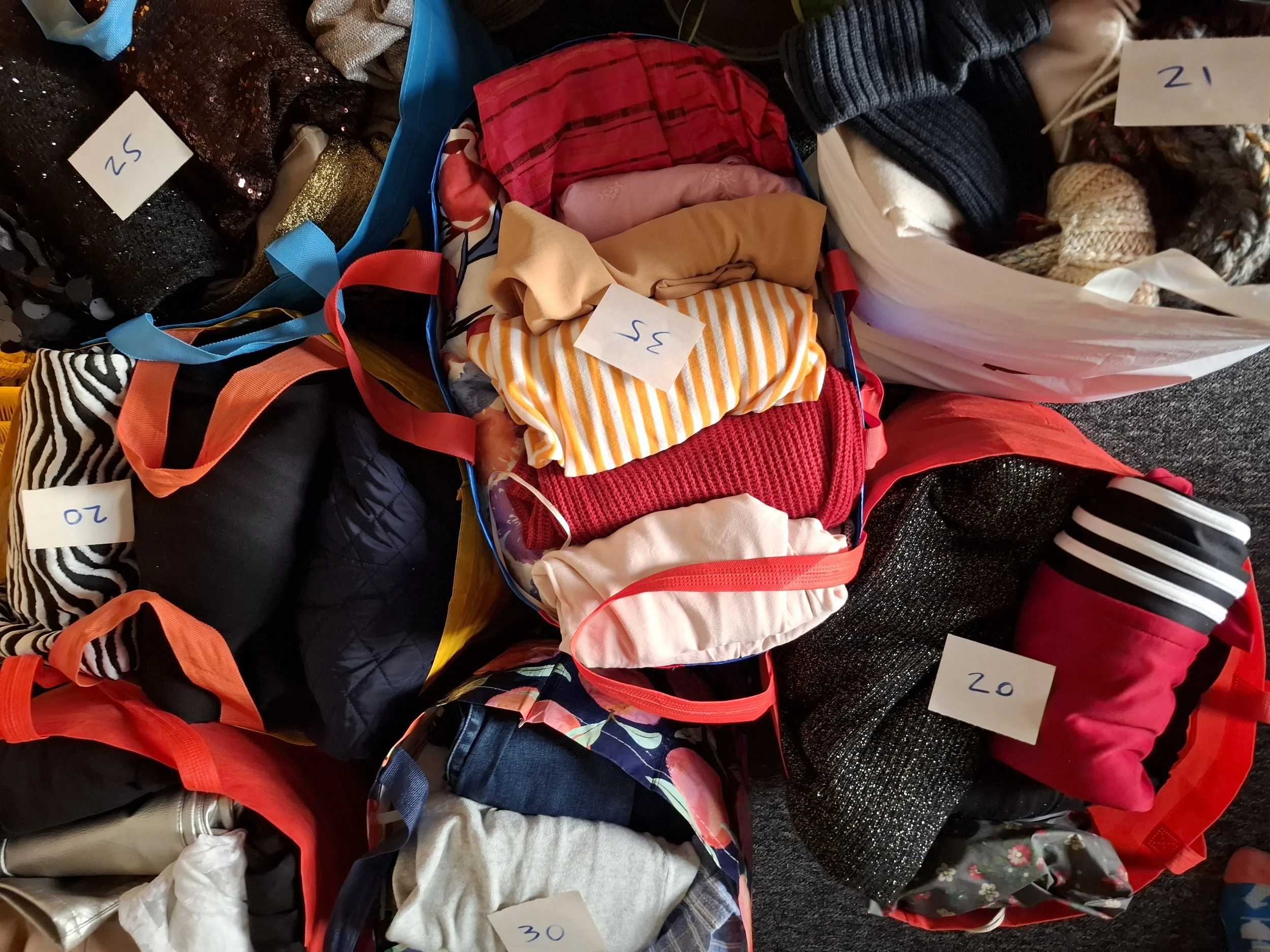
If drop-off or collection isn’t possible, you can also post your donations to our London store. This is a strong alternative to clothes banks and ensures your items don’t enter bulk resale or export systems.
Why This Is Better Than Clothes Banks
Many people default to clothes banks, but these don’t always lead to meaningful reuse. Large volumes of donated clothing are sold on in bulk, and a significant proportion is exported overseas, where up to 40% can be unwearable waste.
By donating through Give Your Best, you’re choosing a transparent, community-focused route that prioritises people and planet. Your clothes stay in the UK, support those experiencing clothing poverty, and contribute to a genuinely circular fashion system.
Clothes swaps are about more than clothes. They’re about care, community and choosing better systems. With a little planning, your swap can create joy on the day and lasting impact long after!
FAQs About Clothes Swaps
What do I do with leftover clothes from a clothes swap?
Plan ahead by partnering with an organisation like Give Your Best so leftover items are donated ethically and locally.
How many clothes should people bring to a clothes swap?
As many or as few as they like. A relaxed approach encourages generosity and reduces pressure.
Do clothes swaps really reduce waste?
Yes. By extending the life of garments and reducing demand for new clothing, swaps play an important role in circular fashion.
Is donating clothes online better than using clothes banks?
Online donation platforms that redistribute clothes directly often offer greater transparency and local impact than bulk donation routes.
